ECOS SAHELÉducation · Cohésion sociale · Résilience
FR · EN
FR · EN

ECOS Mali

ECOS Mali works in and around Bamako on education, youth integration and community climate resilience.

Bamako, Mali · President: Esaïe Kamaté

The association in brief

ECOS Mali is based in Heremankono, on the outskirts of Bamako, where it has worked since 2002. Twenty years in the same place changes the nature of the work: you no longer arrive offering projects, you know the families. The children who first read under the mango trees now supervise the younger ones. That continuity is the association's greatest asset, well ahead of its funding.

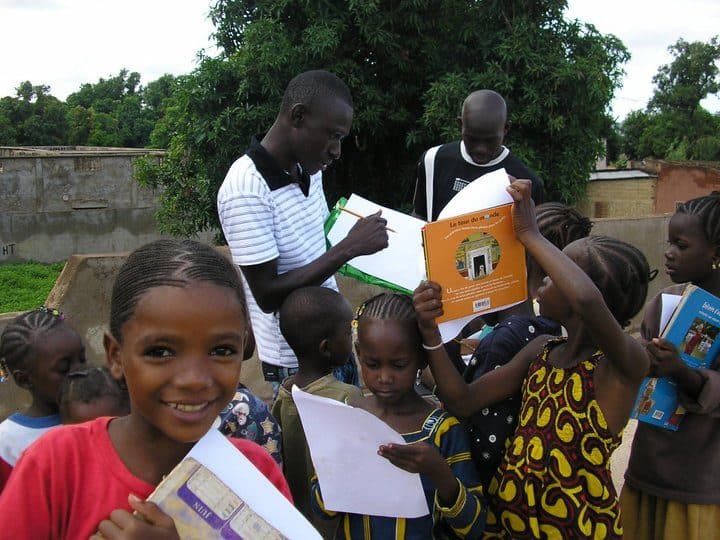
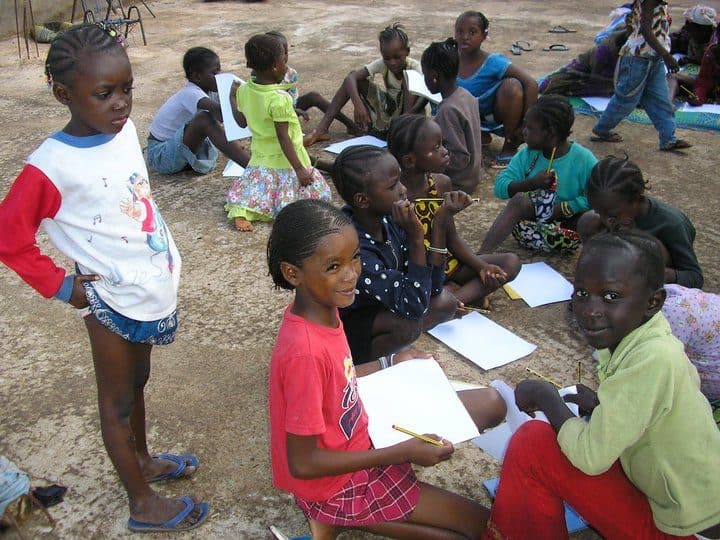
It all started with books. In many Malian neighbourhoods, reading means travelling, registering, sometimes paying — three obstacles too many for a family counting every franc. ECOS Mali turned the problem around and brings the library to where the children already are: in the shade of the mango trees, in the middle of the neighbourhood, with no formalities. In 2024 that meant forty-eight sessions and around fifty children followed regularly, six in ten of them girls, supported by five young volunteers from the neighbourhood.

Then comes the question that arises in adolescence: stay or leave. Many young people leave their village for lack of any future there. The association trains them in land-based trades — fish farming, organic market gardening, local food processing — not as a fallback, but as work you can actually live on. In 2024, fifty-two young people in precarious situations went through the programme, thirty-four of whom had fled violence. Nearly two in three have since started a micro-business of their own.

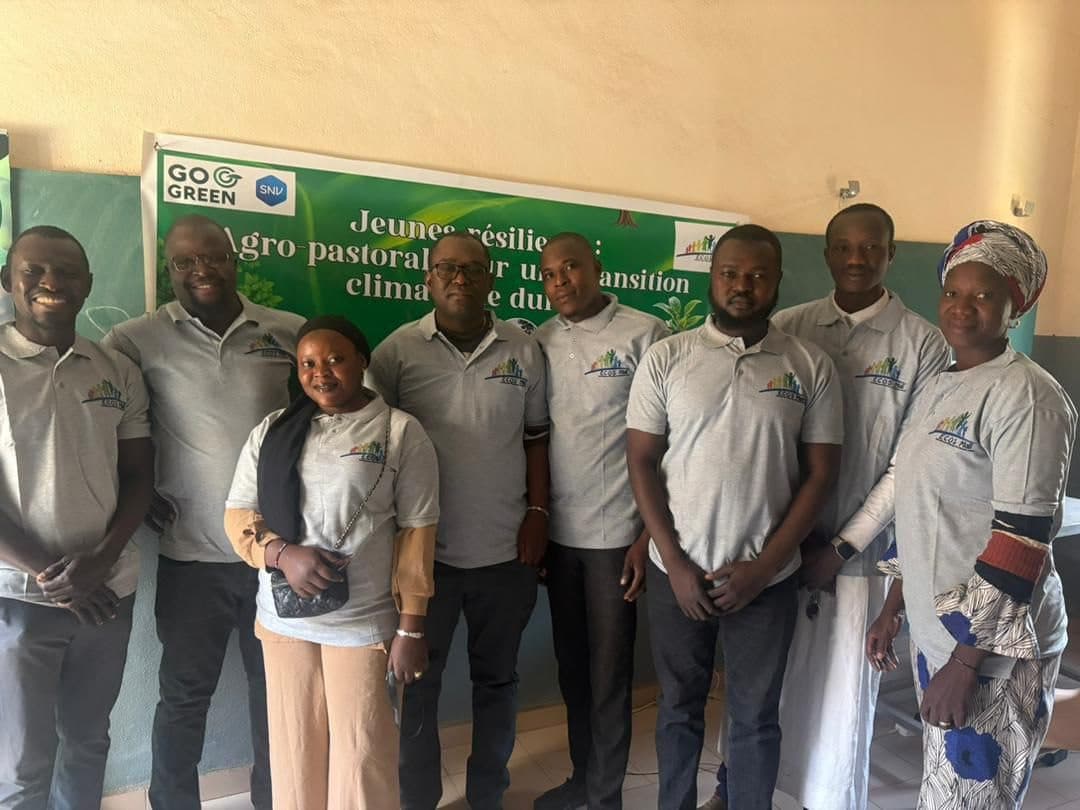
Both of these would soon hit a wall without the third strand. Repeated droughts, exhausted soils, rains that have become unpredictable: in the Sahel, climate is not a distant concern, it is the frame of daily life. So ECOS Mali trains community facilitators in agroecology, water management and reforestation. Ten of them were certified at the Tiebani workshop in September 2024, with one clear instruction: this knowledge must stay put and be passed on without us.

What holds it all together is the last strand. A neighbourhood where people no longer speak to each other does not learn, does not farm and does not rebuild. The association opens spaces where young people, women and customary authorities settle their disputes and build projects together, drawing on forms of mediation that long predate it. Under the presidency of Esaïe Kamaté, ECOS Mali keeps moving this way: slowly, close to the ground, with local people rather than on their behalf.

Our work on the ground

Libraries under the mango trees

Access to books is still hard to come by in many Malian neighbourhoods. Since 2002, ECOS Mali has been setting up libraries in the shade of the mango trees in Heremankono. No registration, no fees: just a place where children can read, listen to stories, and do their homework with an adult nearby. In 2024 that meant 48 sessions held, 50 children supported (60% girls), backed by 5 young volunteers.

  • Libraries set up directly in neighbourhoods, no registration needed.
  • Storytelling sessions, reading clubs and homework support.
  • Books and materials suited to the local context.

Agropastoral training

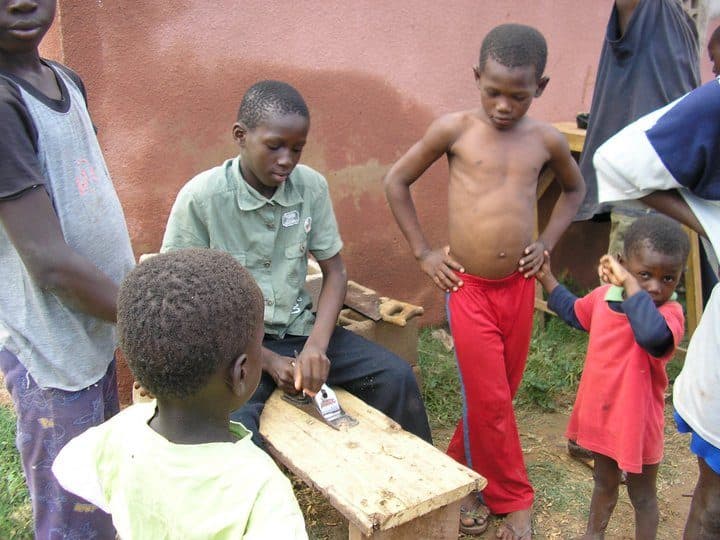
Many young Malians leave their villages for lack of opportunities. ECOS Mali trains them in land-based trades (fish farming, organic market gardening, local food processing) so they can make a living without leaving home. In 2024, 52 young people in precarious situations, including 34 displaced by conflict, went through this training, and 62% of them have since started a small project of their own.

  • Hands-on training in livestock, market gardening and fish farming.
  • Support setting up small income-generating activities.
  • One-to-one follow-up to help each person get their project off the ground.

Climate resilience

Droughts, worn-out soil, increasingly unpredictable rains: Sahel families are on the front line of climate change. ECOS Mali trains community facilitators in agroecological practices and reforestation, so this knowledge stays in place long after we've moved on. Ten trainers were certified at the Tiebani workshop in September 2024.

  • Training in agroecology and water management.
  • Reforestation campaigns with local residents.
  • Local facilitators able to pass these practices on in turn.

Social cohesion

Peace isn't declared, it's built day by day. ECOS Mali creates spaces where young people, women and customary authorities can talk to each other, resolve disagreements and build projects together, drawing on traditional ways of mediating conflict.

  • Regular meetings across generations and neighbourhood groups.
  • Support for initiatives led by women and young people.
  • Sustained work on peaceful conflict resolution.

ECOS Mali in pictures