Nurseries and reforestation
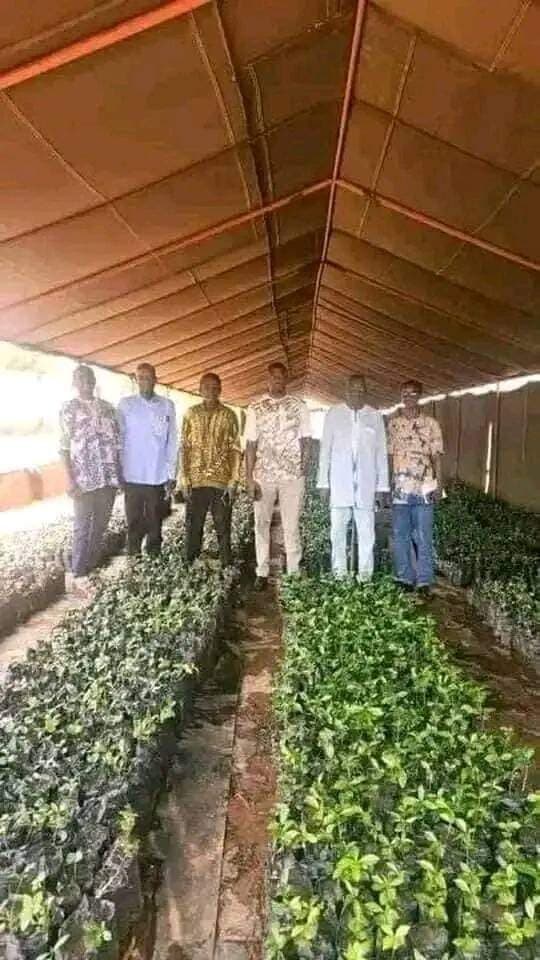
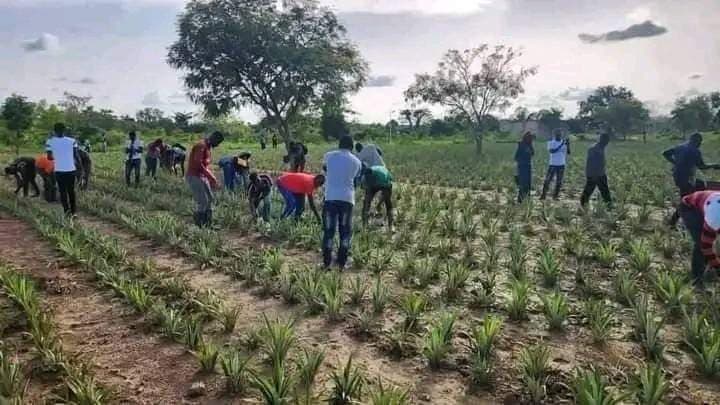
The desert is advancing and the land is wearing thin in Burkina Faso. ECOS Burkina Faso takes part in the national Green Belt effort by growing seedlings in nurseries and organising planting days with schools and neighbourhoods, bringing a little green back to the landscape and passing on to young people the habit of caring for their environment.
- Growing forest and fruit seedlings suited to the local climate.
- Reforestation days with schools and residents.
- A concrete contribution to the national Green Belt.
Greenhouse market gardening
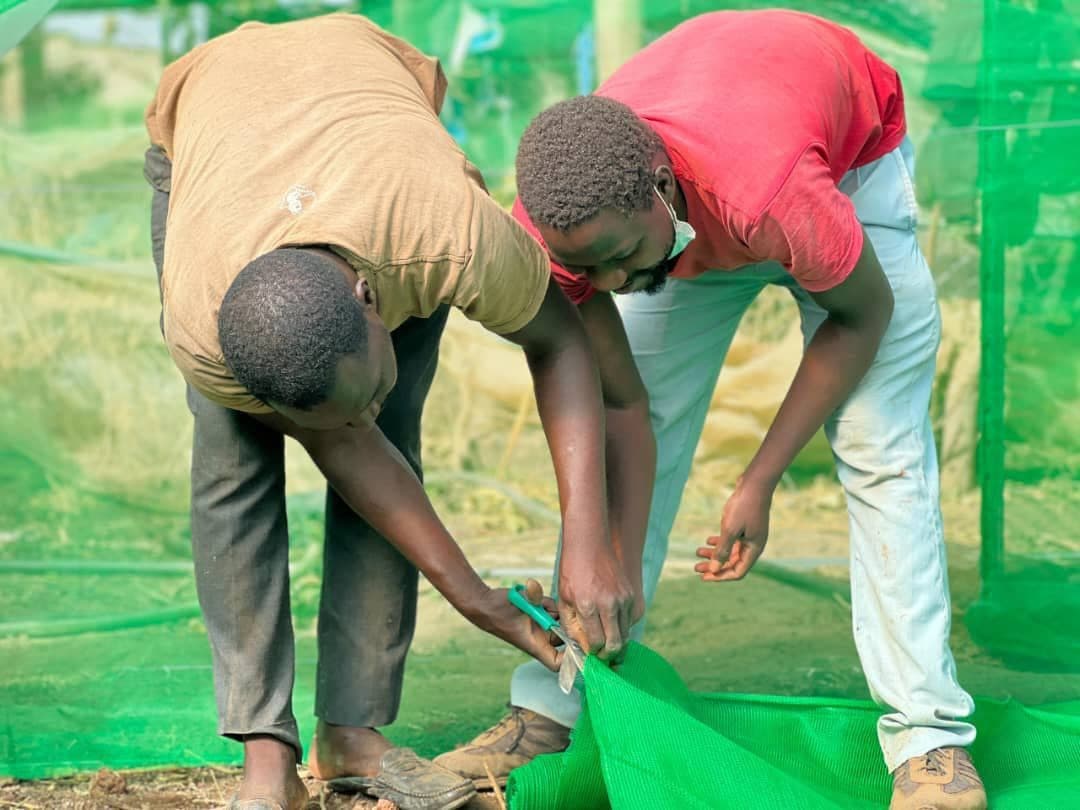
With land growing scarcer and water in short supply, farming is becoming harder. ECOS Burkina Faso trains growers, women and young people in greenhouse and soil-free growing methods: an approach that saves water, protects crops and allows year-round production, in the city as much as in the countryside.
- Hands-on training in greenhouse growing.
- Simple greenhouses suited to small spaces.
- More stable income for families.
Solidarity and cohesion
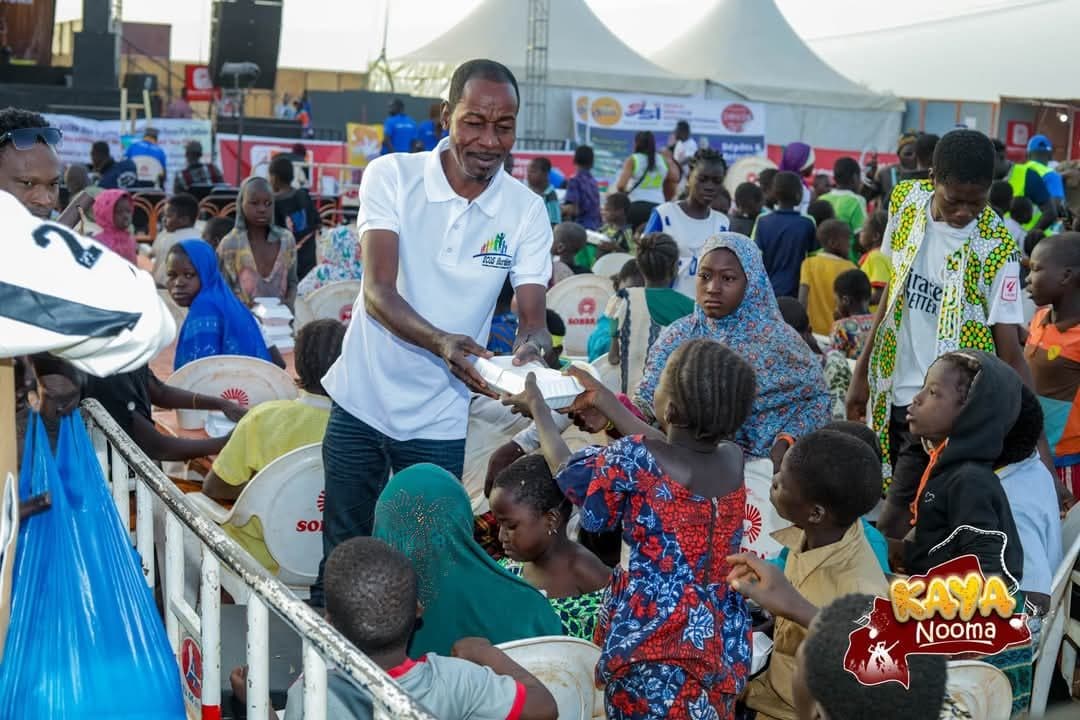
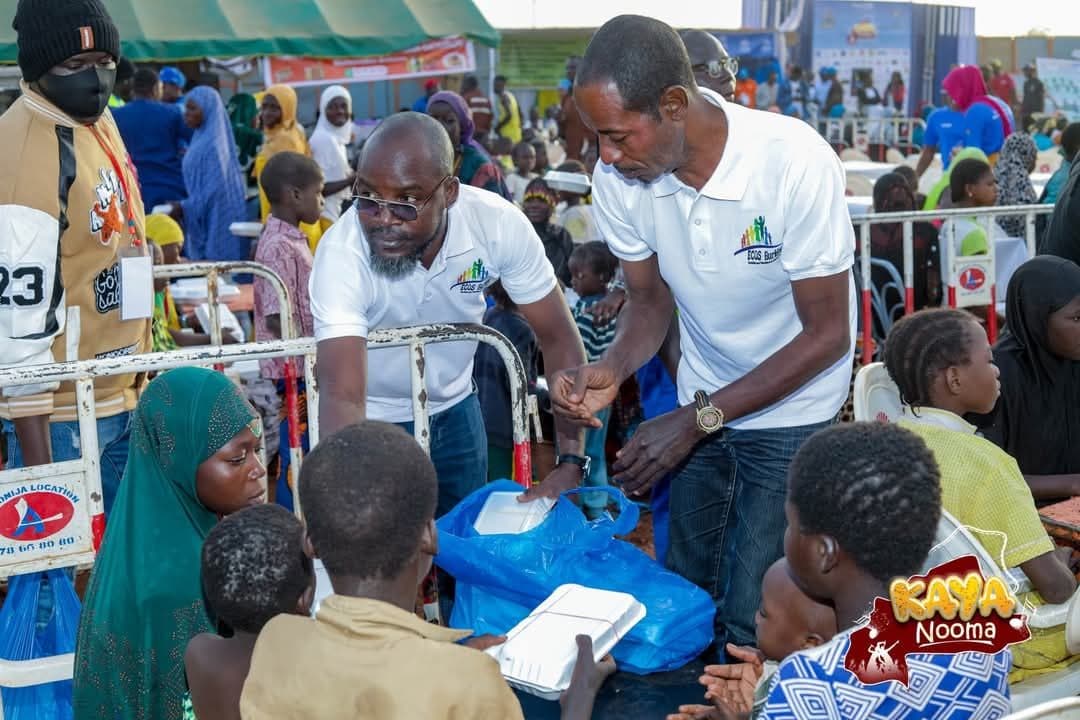
The humanitarian situation in Burkina Faso remains difficult, with many families displaced by crises. ECOS Burkina Faso provides them with practical support (food, essential-needs kits) and organises gatherings such as Kaya Nooma, to rebuild ties between displaced families and host communities.
- Food and emergency-kit distributions for displaced families.
- Gatherings such as Kaya Nooma.
- Sustained work to strengthen dialogue between communities.